


NEWS CENTER
Choose National Standard, Choose Safety; Buy With Comfort, Use With Confidence!
Twisted Cable Revolution: Accelerating Network Performance for the Future
Release Time:
2024-08-14
Twisted Cable Revolution: Accelerating Network Performance In today's rapidly evolving technological landscape, the demand for high-speed data transmission continues to surge. As we delve into the intricacies of network performance, the role of twisted cable technology emerges as pivotal in meeting these demands. This article explores how twisted cables enhance network efficiency, their applicatio
Twisted Cable Revolution: Accelerating Network Performance
In today's rapidly evolving technological landscape, the demand for high-speed data transmission continues to surge. As we delve into the intricacies of network performance, the role of twisted cable technology emerges as pivotal in meeting these demands. This article explores how twisted cables enhance network efficiency, their applications in various domains, and the future of this groundbreaking technology.
Understanding Twisted Cables: The Basics
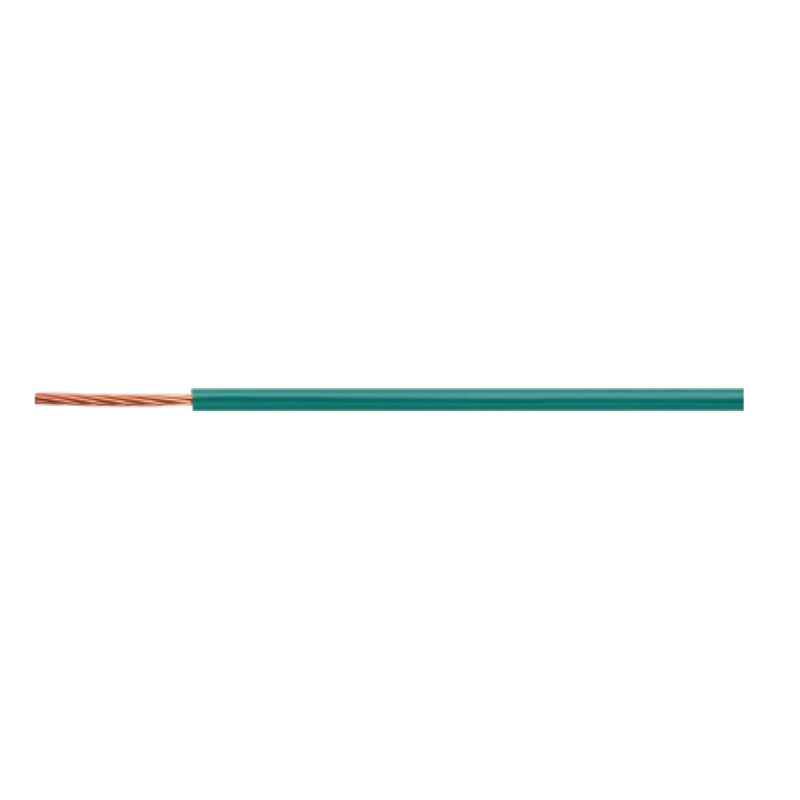
Twisted cables consist of pairs of insulated copper wires twisted together. This twisting helps reduce electromagnetic interference (EMI) and crosstalk between the wires, allowing for clearer signals and improved data integrity. Twisted cables are primarily categorized into two types: unshielded twisted pair (UTP) and shielded twisted pair (STP).
The Structure of Twisted Cables
Each pair of wires in a twisted cable is twisted around each other, which can be seen in various configurations. The number of twists per meter can vary, affecting the cable's performance characteristics. The twisting helps maintain a consistent impedance, which is crucial for minimizing signal loss over distances.
Types of Twisted Cables
Twisted cables come in several variants, such as:
- Unshielded Twisted Pair (UTP): Widely used in telecommunications and computer networks, UTP cables are cost-effective and versatile.
- Shielded Twisted Pair (STP): STP cables include an additional layer of shielding to further reduce interference, making them suitable for environments with high EMI.
- Category Cables: These cables are classified by categories (e.g., Cat5e, Cat6, Cat6a) based on their performance characteristics, such as bandwidth and transmission speed.
Benefits of Twisted Cable Technology
Enhanced Data Transmission Speeds
One of the primary advantages of twisted cables is their capability to support high data transmission speeds. As technology advances, the demand for higher bandwidth is essential for applications such as video conferencing, online gaming, and cloud computing. Twisted cables can facilitate data rates of up to 10 Gbps, depending on the category of the cable.
Improved Signal Integrity
Twisted cables excel in maintaining signal integrity over long distances. The twisting of wires minimizes the negative effects of external electromagnetic interference, ensuring that data can be transmitted without significant degradation. This integrity is critical in maintaining reliable and consistent network performance.
Cost-Effectiveness and Versatility
Twisted cables are generally more affordable compared to other types of cabling solutions. Their versatility allows them to be used in various applications, including residential installations, commercial networks, and industrial environments. Organizations can benefit from reduced installation and material costs without compromising on performance.
Applications of Twisted Cable Technology
Networking and Telecommunications
The primary application of twisted cable technology is in networking and telecommunications. UTP cables are extensively used for local area networks (LANs), connecting computers, printers, and servers. STP cables find their niche in environments where interference is a concern, such as in factories or near heavy machinery.
Data Centers and Cloud Computing
In data centers, twisted cables enable the fast transfer of large volumes of data between servers and storage systems. As cloud computing continues to grow, high-performance twisted cables play a crucial role in ensuring that users can access their data and applications seamlessly.
Home Networking
Twisted cables are becoming increasingly popular in residential networking setups. Homeowners are leveraging these cables for high-speed internet connections, smart home devices, and media streaming services. The combination of improved speed and reliability makes twisted cables a preferred choice for modern home networking.
Future Trends in Twisted Cable Technology
Advancements in Cable Design
As technology evolves, so does the design of twisted cables. Innovations are focusing on increasing the number of twists per meter and improving insulation materials. These advancements aim to boost performance metrics like data speed, bandwidth, and overall signal integrity.
Integration with Emerging Technologies
With the rise of the Internet of Things (IoT) and smart devices, twisted cables are poised to play a significant role in the future of connectivity. Their ability to support high data rates while providing reliable connections makes them an ideal choice for IoT applications requiring consistent performance.
Choosing the Right Twisted Cable for Your Needs
Factors to Consider
When selecting twisted cables for a specific application, several factors come into play:
- Bandwidth Requirements: Assess the required bandwidth to support the intended applications.
- Distance: Determine the distance over which data will be transmitted and choose a cable type that maintains signal integrity accordingly.
- Environment: Consider the potential for electromagnetic interference and choose between UTP and STP cables based on your environment.
Installation Best Practices
Proper installation of twisted cables is crucial for optimal performance. Follow these best practices:
- Avoid Excessive Bending: Ensure that cables are not bent excessively, as this can damage the wire pairs and degrade performance.
- Maintain Distance from Electrical Sources: Keep twisted cables away from electrical sources to minimize interference.
- Use the Right Connectors: Employ connectors that are compatible with the chosen cable type to ensure seamless connectivity.
FAQs About Twisted Cable Technology
1. What is the main advantage of twisted cables over other cabling types?
The main advantage of twisted cables is their ability to reduce electromagnetic interference, which enhances signal integrity and allows for reliable high-speed data transmission.
2. How do I know which category of twisted cable to choose?
The choice of twisted cable category depends on your bandwidth and speed requirements. For example, Cat5e supports up to 1 Gbps, while Cat6 and Cat6a can handle up to 10 Gbps.
3. Can twisted cables be used outdoors?
While standard twisted cables are not designed for outdoor use, there are outdoor-rated versions available that offer additional protection against moisture and UV exposure.
4. What is the typical distance limitation for twisted cables?
Twisted cables can effectively transmit data up to 100 meters for UTP, while STP may have varied distance capabilities based on the specific environment and installation.
5. Are twisted cables environmentally friendly?
Twisted cables are generally made from recyclable materials, and their efficiency in reducing energy consumption during data transmission contributes to their eco-friendliness.
Conclusion
The twisted cable revolution is significantly transforming network performance across various sectors. With their ability to deliver high-speed data transmission, enhanced signal integrity, and cost-effectiveness, twisted cables are becoming the backbone of modern communication systems. As technology progresses, we can anticipate further innovations in twisted cable technology, ensuring that it remains a vital component in our increasingly connected world. Embracing this technology today can lead to a more efficient and reliable networking future.
Keywords:
twisted cable in computer network
Latest News