


NEWS CENTER
Choose National Standard, Choose Safety; Buy With Comfort, Use With Confidence!
Understanding Twisted Pair Cable in Data Communication: An Essential Guide for Professionals
Release Time:
2024-08-15
Twisted pair cables are a fundamental component in the realm of data communication. These cables consist of pairs of insulated copper wires twisted together, which helps reduce electromagnetic interference and crosstalk from adjacent pairs. As professionals in the electrical and telecommunications industries know, understanding the specifications and applications of twisted pair cables is essentia
Twisted pair cables are a fundamental component in the realm of data communication. These cables consist of pairs of insulated copper wires twisted together, which helps reduce electromagnetic interference and crosstalk from adjacent pairs. As professionals in the electrical and telecommunications industries know, understanding the specifications and applications of twisted pair cables is essential for ensuring optimal communication network performance.
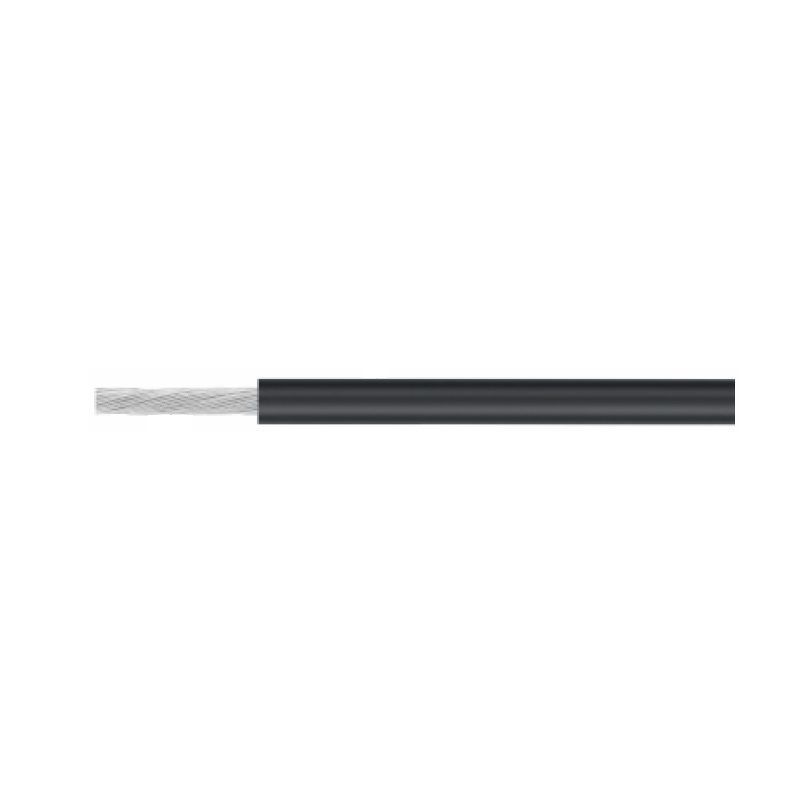
There are two primary types of twisted pair cables: unshielded twisted pair (UTP) and shielded twisted pair (STP). UTP cables are widely used in various data communication applications, including local area networks (LANs) and telephone systems. They are favored for their cost-effectiveness and simplicity, making them suitable for most everyday applications. Conversely, STP cables offer an additional layer of shielding to protect against interference, making them ideal for environments with high electromagnetic interference, such as industrial settings or areas with extensive electronic equipment.
One of the significant advantages of twisted pair cables is their ability to support high-speed data transmission. With proper installation and adherence to industry standards, twisted pair cables can transmit data at speeds exceeding 10 Gbps, making them suitable for modern communication needs. Additionally, twisted pair cables can transmit data over relatively long distances—up to 100 meters for UTP and even more for STP—without significant signal degradation.
In terms of installation, twisted pair cables are relatively easy to work with. They can be terminated with various connectors, such as RJ45, which is commonly used in networking applications. Proper termination is crucial, as it ensures that the cable performs optimally and reduces the risk of signal loss. Professionals should be familiar with the standards for wiring configurations, such as T568A and T568B, to ensure consistency and reliability in installations.
Overall, twisted pair cables remain a cornerstone of data communication, thanks to their balance of performance, cost, and ease of use. Whether you're setting up a simple home network or designing a complex commercial system, understanding the characteristics and applications of twisted pair cables is vital for achieving efficient and reliable communication. By leveraging the capabilities of these cables, professionals can ensure that their networks meet the demands of today's fast-paced digital landscape.
Keywords:
twisted pair cable in data communication
Latest News