


NEWS CENTER
Choose National Standard, Choose Safety; Buy With Comfort, Use With Confidence!
Understanding Twisted Pair Phone Cables: A Comprehensive Guide for Professionals
Release Time:
2024-08-27
Twisted pair phone cables have become a cornerstone in the landscape of communication technology, serving as a primary means for transmitting data and voice signals over varying distances. Comprising pairs of insulated copper wires twisted together, these cables are designed to minimize electromagnetic interference and crosstalk, which are common challenges in data transmission. The construction o
Twisted pair phone cables have become a cornerstone in the landscape of communication technology, serving as a primary means for transmitting data and voice signals over varying distances. Comprising pairs of insulated copper wires twisted together, these cables are designed to minimize electromagnetic interference and crosstalk, which are common challenges in data transmission.
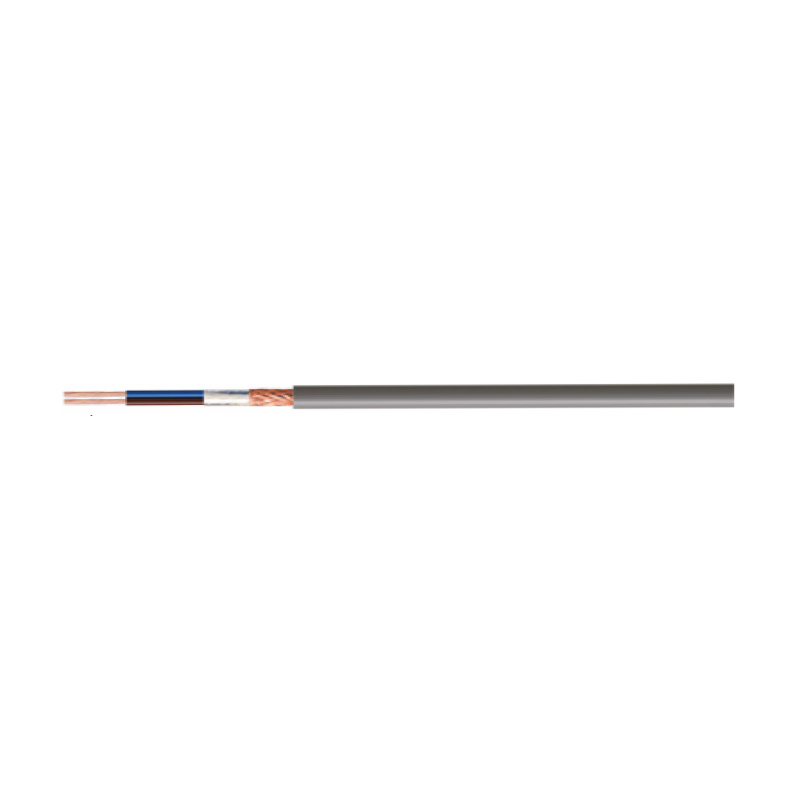
The construction of twisted pair phone cables involves the careful twisting of wires in pairs. This design not only enhances the cable's resistance to noise but also allows for increased data integrity. The twisting creates a balanced transmission line, which helps in reducing the effects of external electromagnetic fields. As a result, twisted pair cables can effectively support high-frequency signals, making them suitable for both voice and data communication.
In terms of types, twisted pair phone cables are typically categorized into two main varieties: unshielded twisted pair (UTP) and shielded twisted pair (STP). UTP cables are prevalent in residential and commercial applications due to their cost-effectiveness and ease of installation. They are often used for Ethernet networks and telephone systems. On the other hand, STP cables include an additional shielding layer that provides extra protection against external interference, making them ideal for environments with significant electrical noise, such as industrial settings.
Twisted pair phone cables are not just limited to traditional telephone systems; they play a vital role in modern telecommunications, including VoIP (Voice over Internet Protocol) services, which have gained popularity due to their flexibility and cost savings. The ability of twisted pair cables to support varying bandwidths makes them a versatile choice for both analog and digital communication systems.
When selecting twisted pair phone cables, professionals should consider factors such as the cable's category rating, which indicates its performance capability. For example, higher category cables, like Cat 5e or Cat 6, can support higher data rates and are suitable for more demanding applications. Additionally, the installation environment—whether it is a residential, commercial, or industrial site—can influence the choice between UTP and STP cables.
In conclusion, twisted pair phone cables are integral to the functioning of contemporary communication systems. Their unique design and construction facilitate reliable data transmission while mitigating interference, making them a preferred choice in various applications. For professionals in the electrical and telecommunications fields, understanding the intricacies of twisted pair cables is essential for making informed decisions that enhance system performance and reliability. Embracing this knowledge will undoubtedly contribute to the efficiency of communication networks in our increasingly connected world.
Keywords:
twisted pair phone cable
Latest News