


NEWS CENTER
Choose National Standard, Choose Safety; Buy With Comfort, Use With Confidence!
Exploring the Advantages and Applications of Flexible High Voltage Cable
Release Time:
2024-09-04
Flexible high voltage cable is an essential component in various electrical applications, particularly in environments requiring reliability and adaptability. Unlike standard high voltage cables, which may be rigid and less versatile, flexible high voltage cables are designed for dynamic installations where movement, bending, and twisting are common. This flexibility is achieved through specific c
Flexible high voltage cable is an essential component in various electrical applications, particularly in environments requiring reliability and adaptability. Unlike standard high voltage cables, which may be rigid and less versatile, flexible high voltage cables are designed for dynamic installations where movement, bending, and twisting are common. This flexibility is achieved through specific construction techniques and material selections, making it suitable for a range of applications.
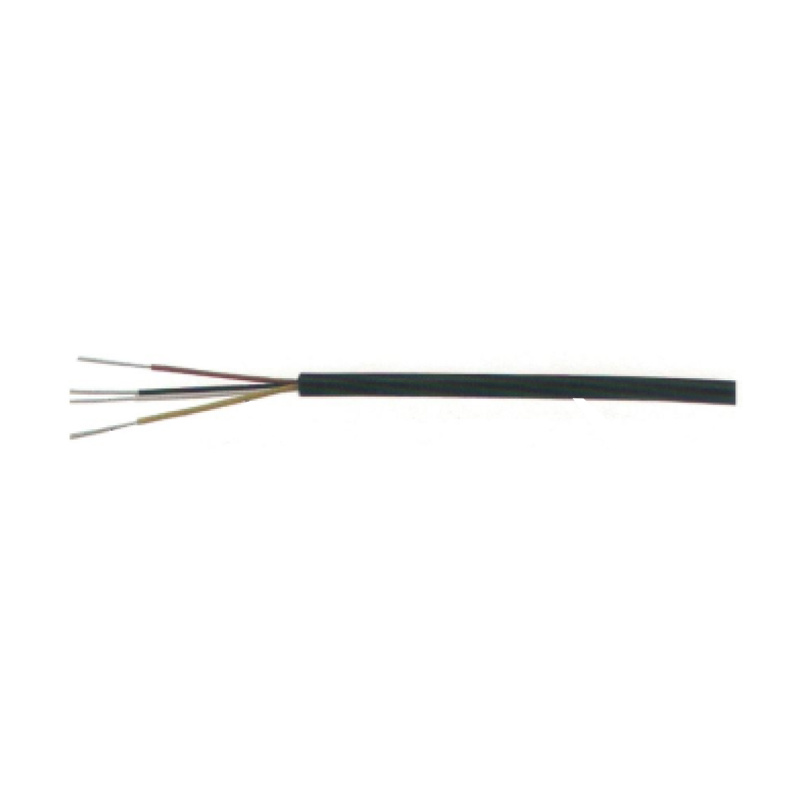
One primary advantage of flexible high voltage cable lies in its construction. Typically, these cables consist of multiple strands of conductive materials, such as copper or aluminum, which allow for enhanced flexibility without compromising conductivity. Insulation materials, such as cross-linked polyethylene (XLPE) or ethylene propylene rubber (EPR), are employed to provide excellent electrical insulation and thermal stability, enabling the cable to operate efficiently under high voltage conditions.
The benefits of using flexible high voltage cable extend beyond mere adaptability. These cables can withstand mechanical stresses and environmental factors, such as temperature fluctuations and humidity, making them ideal for outdoor or industrial applications. Their robust construction reduces the risk of failures due to bending fatigue, thereby enhancing the overall reliability of electrical systems.
In terms of applications, flexible high voltage cables are widely used in renewable energy sectors, such as wind and solar power installations, where they connect various components to the grid. They are also crucial in electric vehicle (EV) charging stations, where the ability to bend and flex is essential to accommodate various installation layouts. Additionally, flexible high voltage cables find use in mining operations and construction sites, where equipment mobility is paramount.
When selecting flexible high voltage cable, it is essential for professionals to consider several factors, including voltage rating, conductor size, insulation type, and environmental conditions. Proper installation techniques and adherence to relevant standards are vital to ensure optimal performance and safety. Professionals should also be aware of the National Electrical Code (NEC) regulations and other local codes governing the use of high voltage cables.
In conclusion, flexible high voltage cable plays a critical role in modern electrical systems, offering unique advantages that cater to the needs of various industries. By understanding its construction, benefits, and applications, electrical professionals can make informed decisions when selecting and implementing these cables in their projects. Embracing flexible high voltage cable technology can lead to increased efficiency, reliability, and safety in electrical installations.
Keywords:
flexible high voltage cable
Latest News