



NEWS CENTER
Choose National Standard, Choose Safety; Buy With Comfort, Use With Confidence!
Understanding Twisted Pair Communication: A Key Component in Electrical Wiring
Release Time:
2024-08-17
Twisted pair communication is a widely used method in the field of electrical wiring, primarily for data transmission. The basic concept involves pairs of insulated copper wires twisted together to form a single cable. This design significantly reduces electromagnetic interference (EMI) and crosstalk between the pairs, resulting in improved signal integrity. As professionals in the electrical and
Twisted pair communication is a widely used method in the field of electrical wiring, primarily for data transmission. The basic concept involves pairs of insulated copper wires twisted together to form a single cable. This design significantly reduces electromagnetic interference (EMI) and crosstalk between the pairs, resulting in improved signal integrity. As professionals in the electrical and cabling industry, understanding twisted pair communication is crucial for ensuring efficient and reliable network setups.
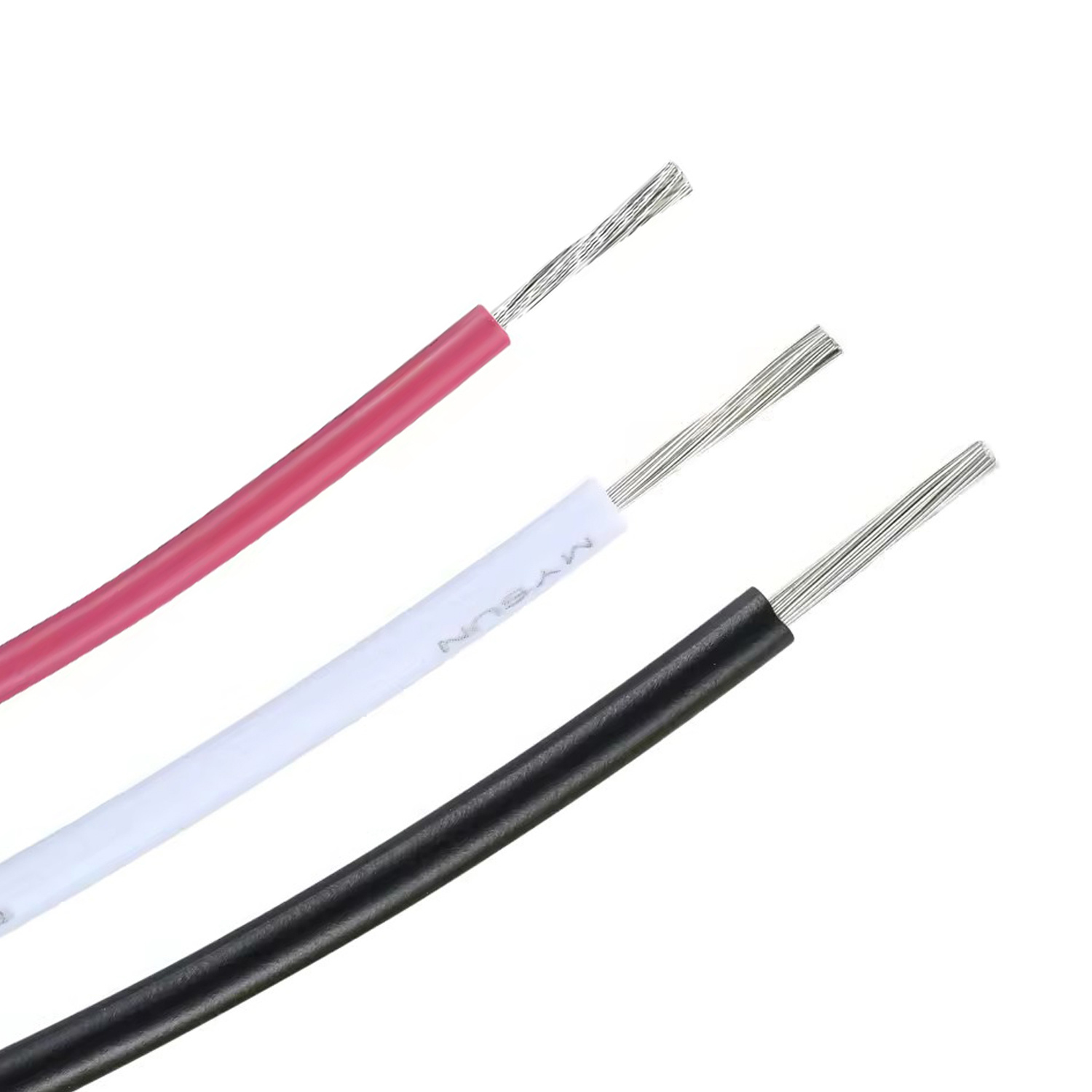
The design of twisted pair cables consists of two wires that are twisted around each other in a helical pattern. This twist serves to balance the electrical characteristics of both wires, which helps to cancel out any noise that could degrade the signal. The most common types of twisted pair cables are Unshielded Twisted Pair (UTP) and Shielded Twisted Pair (STP). UTP cables are widely used in telephone networks and local area networks (LANs), while STP cables offer additional shielding to reduce interference, making them suitable for environments with high electromagnetic noise.
In terms of performance, twisted pair cables can support various data transmission speeds and distances, making them versatile for different applications. For instance, Category 5e (Cat 5e) cables can handle speeds up to 1 Gbps and distances of up to 100 meters, while Category 6 (Cat 6) cables can support speeds up to 10 Gbps for shorter distances. This scalability is particularly important in today's fast-paced technological landscape, where data demands continue to increase.
Twisted pair communication is not limited to data networks; it also plays a significant role in telecommunications and audio/video applications. For example, many modern telephone systems and VoIP technology rely on twisted pair cabling to ensure clear voice transmission. Additionally, twisted pair cables are often used in structured cabling systems, which are designed to accommodate voice, data, and video transmission.
In conclusion, twisted pair communication is a fundamental aspect of electrical wiring and cabling systems. Its design minimizes interference, enhances signal integrity, and supports a variety of applications essential to modern technology. By gaining a deeper understanding of twisted pair communication, professionals in the electrical and cabling industry can better serve their clients and contribute to the advancement of network infrastructure. Embracing this knowledge will not only improve your technical skills but also position you as a valuable asset in the rapidly evolving landscape of electrical communication.
Keywords:
twisted pair communication
Latest News