


NEWS CENTER
Choose National Standard, Choose Safety; Buy With Comfort, Use With Confidence!
Understanding Twisted Pair Data Cables: A Key Component in Modern Networking
Release Time:
2024-08-19
Twisted pair data cables are a fundamental component of modern networking and telecommunications. Comprising insulated copper wires twisted together, these cables are designed to reduce electromagnetic interference and crosstalk, enhancing signal quality over distances. Understanding the intricacies of twisted pair cables can significantly benefit professionals in the electrical and telecommunicat
Twisted pair data cables are a fundamental component of modern networking and telecommunications. Comprising insulated copper wires twisted together, these cables are designed to reduce electromagnetic interference and crosstalk, enhancing signal quality over distances. Understanding the intricacies of twisted pair cables can significantly benefit professionals in the electrical and telecommunications sectors.
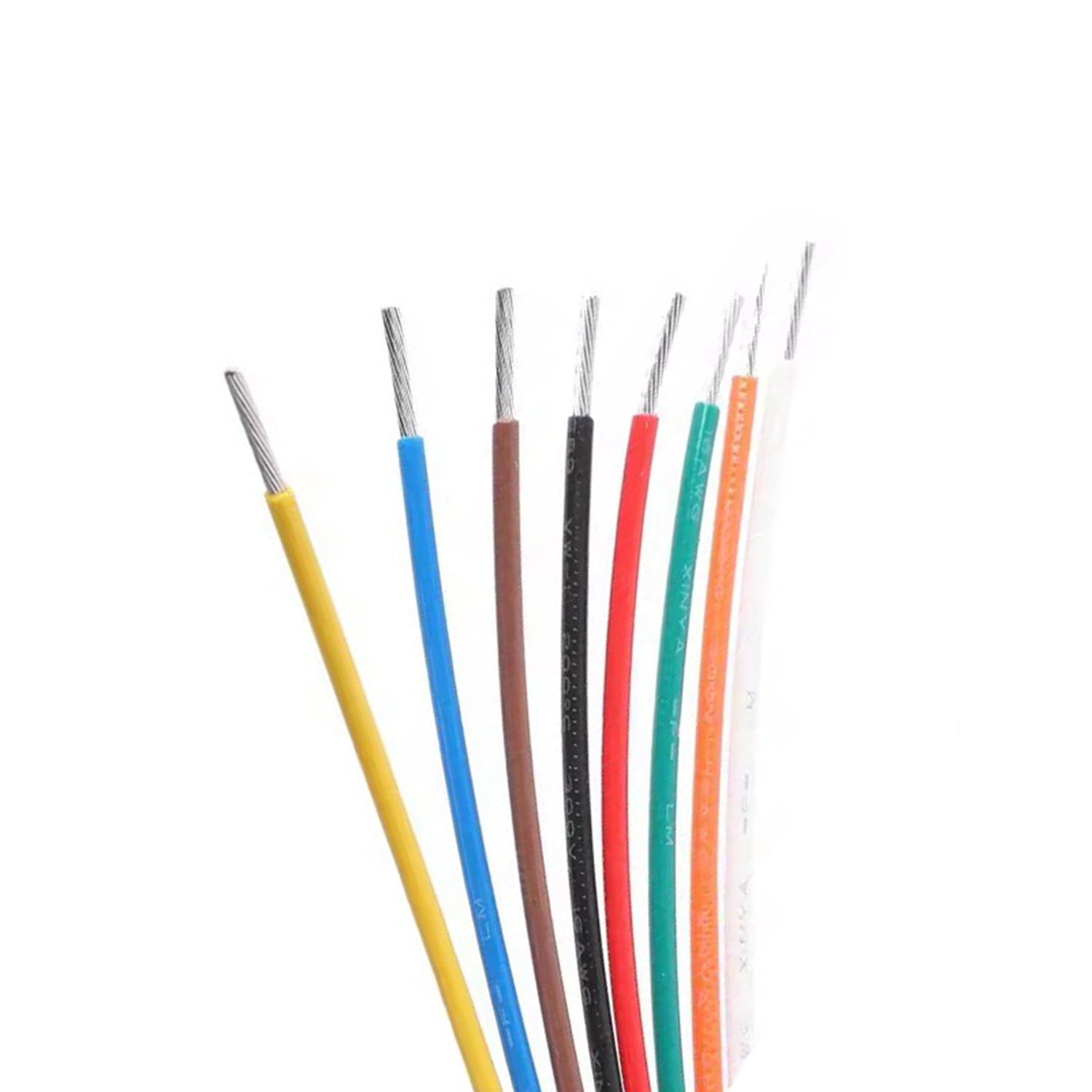
Twisted pair cables are categorized into two primary types: unshielded twisted pair (UTP) and shielded twisted pair (STP). UTP is the most commonly used cabling, particularly in Ethernet networks, due to its cost-effectiveness and ease of installation. It consists of four pairs of wires twisted together, with varying twist rates to minimize interference. STP, on the other hand, includes a shielding layer that provides additional protection against external electromagnetic interference, making it suitable for environments with heavy machinery or other sources of electrical noise.
One of the primary applications of twisted pair data cables is in local area networks (LANs). They are widely used to connect devices such as computers, printers, and routers, allowing for seamless communication and data transfer. The category of the cable, such as Cat5e, Cat6, or Cat6a, indicates its ability to handle various bandwidths and frequencies. For instance, Cat6 cables are designed to support higher data rates and are ideal for applications demanding high-speed internet connectivity.
In addition to networking, twisted pair cables are also utilized in telecommunication systems, including telephone lines and video surveillance systems. Their versatility stems from their ability to transmit both data and voice signals efficiently. Moreover, their compact design and flexibility make them suitable for a range of installation scenarios, from residential setups to complex commercial infrastructures.
When it comes to installation and maintenance, understanding the properties of twisted pair cables is crucial. Proper termination and adherence to standards can significantly enhance performance and minimize errors. Professionals should also be aware of the maximum distance limitations—generally around 100 meters for Ethernet applications—to ensure optimal signal integrity.
In conclusion, twisted pair data cables are vital in facilitating high-speed data communication across various applications. Their design, application, and performance characteristics make them a preferred choice among professionals in the electrical and telecommunications fields. As technology continues to evolve, staying informed about the latest developments in twisted pair cabling will be essential for maintaining a competitive edge in the industry.
Keywords:
twisted pair data cable
Latest News