



NEWS CENTER
Choose National Standard, Choose Safety; Buy With Comfort, Use With Confidence!
Understanding Twisted Pair LAN: A Comprehensive Overview for Professionals
Release Time:
2024-08-21
In the realm of electrical engineering and networking, understanding the different types of cabling is crucial to ensuring efficient communication systems. One prominent type of cabling that has gained widespread usage is twisted pair LAN. This type of cabling is characterized by its design, which consists of pairs of insulated copper wires twisted together. This structure helps reduce electromagn
In the realm of electrical engineering and networking, understanding the different types of cabling is crucial to ensuring efficient communication systems. One prominent type of cabling that has gained widespread usage is twisted pair LAN. This type of cabling is characterized by its design, which consists of pairs of insulated copper wires twisted together. This structure helps reduce electromagnetic interference, making twisted pair cables a popular choice for networking applications.
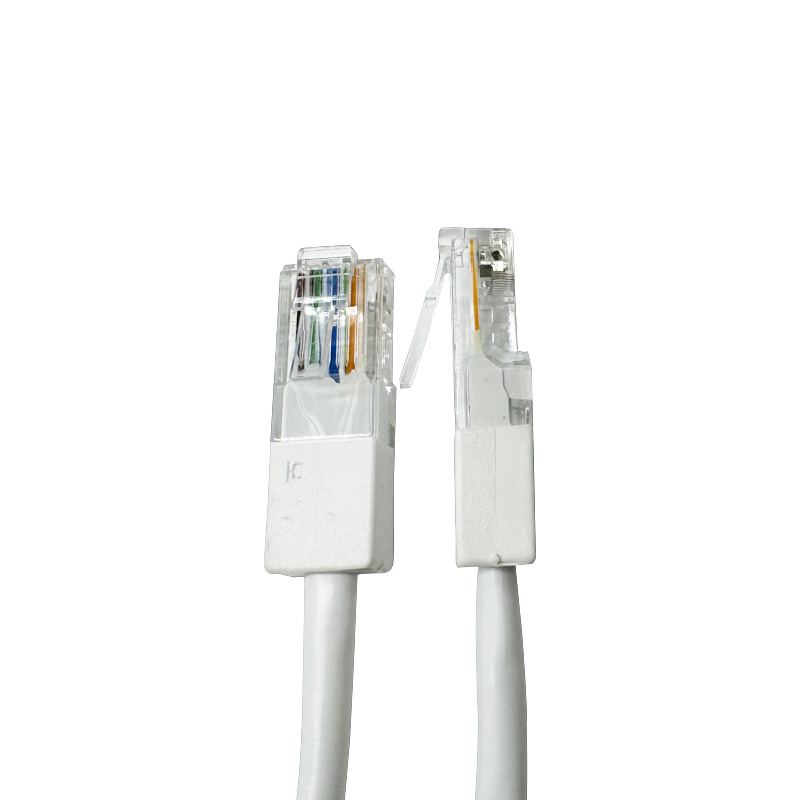
There are primarily two categories of twisted pair cables: unshielded twisted pair (UTP) and shielded twisted pair (STP). UTP is the more common of the two and is widely used in various networking environments, including offices and data centers. Its simplicity and cost-effectiveness make it an attractive option for many professionals in the electrical and telecommunications industries. On the other hand, STP incorporates shielding to further protect against interference, making it suitable for environments with higher levels of electromagnetic noise.
Twisted pair LAN cables are typically categorized based on their performance specifications. For instance, Category 5 (Cat 5) cables support data rates of up to 100 Mbps, while Category 6 (Cat 6) cables can handle speeds of 1 Gbps and beyond. These categories are crucial when designing or upgrading network infrastructures, as they dictate the bandwidth and performance capabilities of the network.
In addition to their performance characteristics, twisted pair cables are also known for their versatility. They can support a range of applications, from basic internet connectivity to more complex systems like Voice over Internet Protocol (VoIP) and video conferencing. This adaptability makes twisted pair LAN a preferred choice for a variety of settings, including residential, commercial, and industrial.
Installing twisted pair LAN cables involves careful considerations to ensure optimal performance. Proper termination and adherence to standards are vital to minimize signal degradation. Additionally, managing cable lengths and avoiding excessive bends can help maintain the integrity of the signal over distances.
In summary, twisted pair LAN cables play an integral role in contemporary networking solutions. Their design, versatility, and performance capabilities make them a fundamental component for electrical professionals involved in network planning and implementation. As the demand for faster and more reliable networking solutions continues to grow, understanding the intricacies of twisted pair LAN technology will become increasingly important in the field. By staying informed and adapting to emerging trends, professionals can effectively leverage this technology to meet the evolving needs of their clients and organizations.
Keywords:
twisted pair lan
Latest News